

Sliding Patio Door Repairs
A sliding patio is a great way to enjoy your outdoor space and let more light in. If the door doesn't open smoothly or appears dingy, it can be a problem.
Fortunately, a majority of these issues can be fixed by a little DIY knowledge. Here are some common problems and solutions:
Dirty or damaged tracks
Over time the sliding patio door's tracks may get clogged by dust, dirt and other debris. click the up coming document and lubrication will help your sliding patio door move smoothly.
A filthy track can cause the door to stick or make it difficult to close or open, so the first thing you must clean it. Start by removing any loose debris with the help of a brush. Then, use a brush and cleaning solution to scrub off any visible dirt. Make sure you clean every corner and nook as well as the areas where the door joins its frame.
After you've scrubbed your track, rinse it using a bucket or hose filled with clean water. Apply a lubricant from the store to prevent rusting and displace moisture. Try sliding it forwards and backwards to see if you can move it with ease.
If your door continues to stick, it could be that the rollers have been damaged or misaligned. This can also cause the door to move slower. In the majority of cases, you can fix the issue by changing the wheels and lubricating. It could be time for a replacement if your door is old. Before reassembling the track, lay down a dropcloth on the floor. Remove the two plugs that cover the roller adjustment screws found at the bottom of frame. To retract the rollers, insert a screwdriver into each hole and turn it counterclockwise. This will allow enough space to take the door from the sawhorses and place it on the sawhorses.
Handle is not working properly
Over time, the handle on your sliding door may become loose from the strike plate it is mounted on. The good news is that the issue of the handle being loose is typically simple to fix. Use a screwdriver to tighten the screws holding the door handle to the strike plate. Be careful not to over tighten the screws, as this could cause damage to the mechanism inside, causing the handle to not function correctly.
The issue of a sliding patio door that isn't easy to slide is typically caused by debris that blocks the rollers. Dirt, dust, hair and fur often get into the tracks, which causes the door to stop moving smoothly. To ensure smooth operation, begin by cleaning the rollers.
The most frequent issue is when the sliding patio door lock no more is working. This could be caused by a misaligned lock or the handle is damaged. The lock mechanism could be replaced or the handle adjusted.
A screen door that isn't able to shut or open isn't a pleasant experience. A damaged screen can be dangerous. If the screen is not aligned correctly with the door frame, it can rub against the frames and cause wear to both the screen as well as the door. The solution to screen that isn't functioning correctly is quite simple. First, make sure that the latching rod is still in the correct position. If not, remove it and replace it with a new one. Reinstall the screen after replacing the rod for latching. Check that the hinges are set correctly. Install screws into the holes of the frame to give it a finished appearance.
Unusual Weatherstripping
The weather stripping seals the gap between your door and frame, preventing drafts, cold and pests. It's time to replace it if it's cracked, discoloured or hardened. It's usually not difficult to do. Some people simply cut out the worn part and replace it, but it's simpler to replace the entire part.
First, check that there isn't a gap near the point of seating where the weather strip is attached to the frame. If it is, you'll need to reseal it to the frame using weather strip adhesive.
Then, look around the area around your weather strip. Look for a tear, crack, or rip that could allow cold air in. Then, make use of your dollar bill to check whether the weather strip has a strong seal. Just place the bill part of the way across the seal and close the door to see whether it is able to pull away from the metal flange of the weather strip. If it is easy to remove, it's time to replace the weather strip.
You may also have to lubricate your run channel (the groove of felt and rubber that runs vertically on both sides of your door) to help prevent the accumulation of ice during winter. You can purchase a spray lubricant from your local hardware store that works, but be careful not to spill any on the glass.
Spreading a thin layer of sand under your door will stop it from sticking, just as salt. Be careful not to leave any sand on the bottom of the door, as it can damage the concrete and rubber of the weather strip in the course of time.
Damaged Glass
Many situations can lead to sliding glass patio doors becoming damaged or broken. It could be caused by the impact of a bump or a knock If the glass on your patio door is damaged, it's vital to replace it as soon as possible to ensure that your home is sealed and insulated.
Doors that slide can become damaged over time due to their constant use and exposure. The rusting of the rollers, broken handles and bent tracks are some of the problems that could result in a patio door not functioning correctly. Repair specialists for sliding patio doors are able to quickly pinpoint the issue and make the necessary repairs or replace the components.
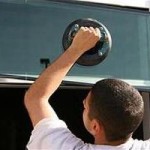
A broken patio door can impact your energy bills in addition to the obvious damage. Temperature fluctuations and drafts around the door are usually indications that a gap is there between the frame and the glass. This can be costly in winter and summer when you must pay for heating or cool your home.
You can fix a damaged panel on your patio without having to take out the whole door. In certain instances this is the best option for you if you want to get your door functioning as quickly as possible. Whatever the case, whether you're replacing the glass or the frame, it is essential to have all of the necessary tools available to ensure that the task can be completed quickly and safely. This includes gloves as well as a small bar or hammer, a putty knife, tape a measuring tape and a replacement glass. DIY Door Store has all of these materials available to easily and affordably fix your own broken sliding patio door.
Frame that is damaged or loose.
Sliding patio doors are designed to allow easy indoor-outdoor movement and provide a natural flow. As with any home appliance sliding patio doors are susceptible to wear and tear that can impact their performance. While some issues are easy to fix yourself but others require assistance from a professional to ensure your door is in optimal condition.
Signs of damage that are visible such as dents and scratches indicate it's time for sliding door replacement. These damages impact the security and energy efficiency of your patio door as well as its appearance.
Rollers or tracks that are not aligned properly are common problems that cause your sliding door to not function properly. This usually happens due to debris or dirt accumulating on the track. You can fix this by using tools to straighten the rails.
It's crucial to regularly clean the tracks and rollers of your sliding patio doors, as dirt can lead to stiff or sticky doors that don't move easily. Using a hand brush or vacuum, or a spray-down with a jet wash will assist in clearing any obstructions. Add a silicone-based grease to your tracks to ensure smooth operation and to prevent premature wear.
In time, slamming the door to the patio could cause serious damage to the frame as well as the glass panel. This could result in broken or loose frames as well as bent tracks and a handles that are difficult to open and close. Screen door frames for sliding are typically less durable than those of glass sliding doors, which makes them more prone to damage. If you have a damaged frame for your screen door it can be fixed by sealing it with silicone lubricant, then applying new sealant to the glass's perimeter.